“The decision as to when to photograph, the actual click of the shutter, is partly controlled from the outside, by the flow of life, but it also comes from the mind and the heart of the artist. The photograph is his vision of the world and expresses, however subtly, his values and convictions.”
Quote by Paul Strand
Author
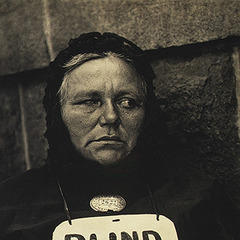
Paul Strand
Paul Strand (October 16, 1890 – March 31, 1976) was an American photographer and filmmaker, widely regarded as a pioneer of modern photography. He is known for his commitment to the purity and objectivity of the photographic medium, producing works that range from urban landscapes and natural scenes to portraits and social documentaries. Strand was a key figure in the Straight Photography movement, emphasizing sharp focus, clear composition, and direct representation of reality. His early works, such as "Wall Street" (1915) and "Blind Woman" (1916), are considered landmarks in photographic history. Strand's influence extends to later photographers like Walker Evans and Robert Frank. He also ventured into filmmaking, contributing to documentary cinema. His legacy endures through his timeless images, which are held in major museums worldwide. more
You May Also Like
“The aim of the wise is not to secure pleasure, but to avoid pain.”
“Sadism is all right in its place, but it should be directed to proper ends.”
Source: Celebrating the American Earth: a Portfolio