“It's been suggested that if the super-naturalists really had the powers they claim, they'd win the lottery every week. I prefer to point out that they could also win a Nobel Prize for discovering fundamental physical forces hitherto unknown to science. Either way, why are they wasting their talents doing party turns on television? By all means let's be open-minded, but not so open-minded that our brains drop out.”
Quote by Richard Dawkins
Author
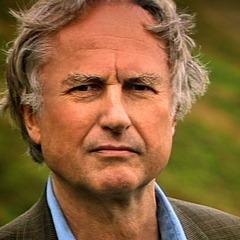
Richard Dawkins
Richard Dawkins is a British ethologist, writer, and thinker, known for his contributions to evolutionary theory, particularly in the field of modern synthesis. He is widely recognized for his best-selling book 'The Selfish Gene', which explains the central role of genes in biological evolution. Dawkins has made significant impacts in the field of science communication and has sparked widespread discussions about human behavior and morality. more
You May Also Like
Source: Longstreet: The Confederate General Who Defied the South
Source: Norse Mythology
Source: The White Album
“A Healthy Immune system equals A Healthy body”
Source: Waking Up from MS: My Journey to Health, Healing, and Living Symptom Free
Source: Becoming
“Beep. Beep. Beep. My dad won't stop beeping.”
Source: The Meaning of Maggie
Source: Mystery and Manners: Occasional Prose
“- Vad sker med mig efter döden? - Du torkas, körs genom en kvarn och säljs som möbelstoppning!”
Source: Socker-Conny
“Elämän loputtua ei voi enää juoda, hukata avaimia eikä silittää kissaa.”
Source: Elämä:kertoja