“Bells Screamed all off key, wrangling together as they collided in midair, horns and whistles mingled shrilly with cries of human distress; sulphur-colored light ex-ploded through the black windowpane and flashed away in darkness. Miranda waking from a dreamless sleep asked without expecting an answer, “What is happening?” for there was a bustle of voices and footsteps in the corridor, and a sharpness in the air; the far clamour went on, a furious exasperated shrieking like a mob in revolt. The light came on, and Miss Tanner said in a furry voice, “Hear that? They’re celebrating . It’s the Armistice. The war is over, my dear.” Her hands trembled. She rattled a spoon in a cup, stopped to listen, held the cup out to Miranda. From the ward for old bedridden women down the hall floated a ragged chorus of cracked voices singing, “My country, ’tis of thee…” Sweet land… oh terrible land of this bitter world where the sound of rejoicing was a clamour of pain, where ragged tuneless old women, sitting up waiting for their evening bowl of cocoa, were singing, “Sweet land of Liberty-” “Oh, say, can you see?” their hopeless voices were asking next, the hammer strokes of metal tongues drowning them out. “The war is over,” said Miss Tanner, her underlap held firmly, her eyes blurred. Miranda said, “Please open the window, please, I smell death in here.”
Quote by Katherine Anne Porter
Work
Pale Horse, Pale Rider
Browse quotes and source details for this work. more
Author
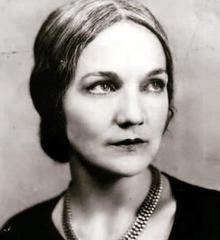
Katherine Anne Porter
American journalist, novelist, and essayist, known for her profound psychological portraits and unique narrative style. Porter, born in Texas, often explored the relationship between individuals and society, as well as themes of morality and religion in her works. Her notable works include 'The Ship of Fools' and 'The Gate of Heaven'. more
You May Also Like
“You've no idea what you've cost me. Not the faintest trace of an understanding.”
Source: Armistice
Source: Armistice
“Ceasefire only postpones war, demilitarization plants peace.”
Source: World War Human: 100 New Earthling Sonnets
“Never confuse someone else's inability to do something with its inability to be done.”
Source: Life, the Truth, and Being Free
Source: A Lesson in Secrets
“She abandoned herself to his whim, thinking it was to be an orgy of eyes and hands only.”
Source: Delta of Venus
Source: The Fifty Shades of Grey Phenomena
Source: Fierce Convictions: The Extraordinary Life of Hannah More—Poet, Reformer, Abolitionist