“Democracy cannot sustain itself amid a high degree of violence.”
Quote by Mary Ritter Beard
Work
A Woman Making History: Mary Ritter Beard Through Her Letters
A Woman Making History: Mary Ritter Beard Through Her Letters is a compilation of letters from Mary Ritter Beard, an influential historian known for her work on the history of women and the American economy. The letters reveal her intellectual development, her thoughts on historical events, and her personal experiences. This collection offers a rare and intimate look at the life and work of one of the most significant historians of her era. more
Author
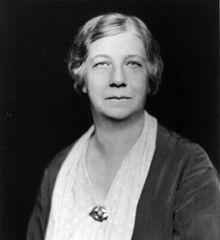
Mary Ritter Beard
Mary Ritter Beard was an American historian known for her research on women's history. Her book 'The American Woman: Her Past and Present' had a profound impact on gender studies. more
You May Also Like
Source: A Woman Making History: Mary Ritter Beard Through Her Letters
Source: Making Women's History: The Essential Mary Ritter Beard
“The origin of the labor movement lies in self-defense.”
Source: A Short History of the American Labor Movement
“the 'public' - a term often used in America to indicate the great metropolitan newspapers.”
Source: A Short History of the American Labor Movement
“Every revolution has its counter-revolution.”
Source: Making Women's History: The Essential Mary Ritter Beard