“Many have come to realization simply by listening to the tinkling of a bell or some other sound”
Quote by Philip Kapleau
Work
The three pillars of Zen: teaching, practice, and enlightenment
This book delves into the foundational aspects of Zen Buddhism, examining the relationship between the three pillars of teaching, practice, and enlightenment. It offers insights into the philosophy and practices that underpin Zen, providing a deeper understanding of its principles and their application in daily life. more
Author
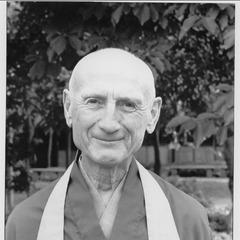
Philip Kapleau
Philip Kapleau was a Japanese Zen master, born in the United States on August 20, 1912. He developed a strong interest in Eastern philosophy, particularly Zen, in his youth and traveled to Japan in the 1930s to study under the renowned Zen master D.T. Suzuki. His studies included training in Kyoto Zen temples and deep immersion in the essence of Japanese culture. After completing his studies, Kapleau returned to the United States, where he became a Zen teacher and writer. His books, including 'The Three Pillars of Zen' and 'The Zen Experience,' have had a profound impact on the popularization of Zen. Kapleau's achievements also include the founding of the Kapleau Zen Center, providing a space for people to learn and practice Zen. He is widely regarded as an important figure in modern Zen, promoting cultural exchange between the East and West and positively influencing the spiritual lives of modern people. more
You May Also Like
“The future doesn't exist. It hasn't happened yet. The past doesn't exist. It has already happened.”
“There is no place to search for the truth. Though it's right beneath your feet, it can't be found.”
Source: The True Dharma Eye: Zen Master Dogen's Three Hundred Koans
“Swallow the stars until you are one with the universe, with all-pervading universal life.”