Quotessence
Home / Quotes / Quote by Raymond Chandler

Quote by Raymond Chandler

Work

The Long Goodbye: A Novel

This novel explores the complexities of human emotions and the passage of time through the lens of a protagonist grappling with personal tragedy and the gradual fading of memories. more

Author
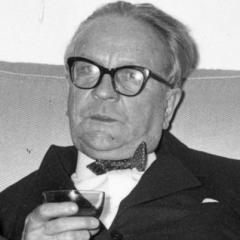
Raymond Chandler
Raymond Chandler

Raymond Chandler was an American novelist renowned for his hard-boiled detective novels. His works are celebrated for their unique narrative style and profound insights into the criminal world. Chandler's most famous works include 'The Big Sleep' and 'Farewell, My Lovely'. more

You May Also Like

“Amongst the learned the lawyers claim first place, the most self-satisfied class of people, as they roll their rock of Sisyphus and string together six hundred laws in the same breath, no matter whether relevant or not, piling up opinion on opinion and gloss on gloss to make their profession seem the most difficult of all. Anything which causes trouble has special merit in their eyes.”

“In a democracy - even if it is a so-called democracy like our white-?litist one - the greatest veneration one can show the rule of law is to keep a watch on it, and to reserve the right to judge unjust laws and the subversion of the function of the law by the power of the state. That vigilance is the most important proof of respect for the law.”

“Those laws, being forged for universal application, are in perpetual conflict with personal interest, just as personal interest is always in contradiction with the general interest. Good for society, our laws are very bad for the individuals whereof it is composed; for, if they one time protect the individual, they hinder, trouble, fetter him for three quarters of his life.”

“A country survives its legislation. That truth should not comfort the conservative nor depress the radical. For it means that public policy can enlarge its scope and increase its audacity, can try big experiments without trembling too much over the result. This nation could enter upon the most radical experiments and could afford to fail in them.”