“Those who are to follow the arts should have a training in what is called poverty. Given a comfortable middle-class start in life, the artist is almost sure to end up by becoming a bellyacher, constantly complaining because the public does not rush forward at once to proclaim him.”
Quote by Sherwood Anderson
Work
A Story Teller's Story: The Tale of an American Writer's Journey Through His Own Imaginative World and Through the World of Facts, with Many of His Experiences and Impressions Among Other Writers--told in Many Notes--in Four Books--and an Epilogue
A Story Teller's Story is a comprehensive work that combines the author's personal anecdotes and reflections with a broader exploration of the creative process and the interplay between fiction and reality. Spanning four books, the narrative weaves together the writer's journey through his own imaginative world with his encounters in the world of facts. The book includes many of his experiences and impressions among other writers, providing a rich tapestry of the author's life and thoughts. The epilogue offers a final reflection on the writer's experiences and the themes explored throughout the work. more
Author
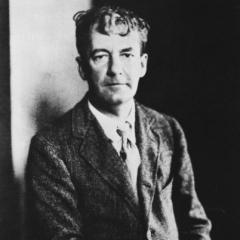
Sherwood Anderson
American novelist known for his profound insights into the lives of the American middle class. Anderson's works often focus on the inner world and social status of ordinary people, and his style is concise and direct, which has had a profound impact on American literature. more
You May Also Like
Source: A Story Teller's Story: The Tale of an American Writer's Journey Through His Own Imaginative World and Through the World of Facts, with Many of His Experiences and Impressions Among Other Writers--told in Many Notes--in Four Books--and an Epilogue
“It has long been my desire to be a little worm in the fair apple of Progress.”
Source: The Sherwood Anderson reader
“If you are to become a writer you'll have to stop fooling with words.”
Source: Sherwood Anderson: Collected Stories: Winesburg, Ohio / The Triumph of the Egg / Horses and Men / Death in the Woods / Uncollected Stories (Library of America #235)
Source: Triumph of the Egg and Other Stories
“I wanted to run away from everything but I wanted to run towards something too.”
Source: Sherwood Anderson: Collected Stories: Winesburg, Ohio / The Triumph of the Egg / Horses and Men / Death in the Woods / Uncollected Stories (Library of America #235)
Source: Mid-American Chants
Source: Mid-American Chants
“When a job is to be done there's no use putting it off.”
Source: Poor White