“Grammar is the logic of speech, even as logic is the grammar of reason.”
Quote by Richard Chenevix Trench
Work
On the Study of Words Lectures Addressed (originally) to the Pupils at the Diocesan Training-school, Winchester by Richard Chenevix Trench
Richard Chenevix Trench's lectures delve into the intricacies of language, focusing on the study of words and their significance. The book is a compilation of these lectures, which were initially intended for students at the Diocesan Training-school in Winchester. It offers insights into linguistic theory and practice, providing a comprehensive examination of the nature of words and their role in language. more
Author
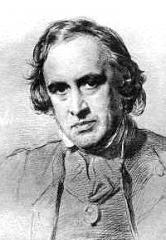
Richard Chenevix Trench
Richard Chenevix Trench (September 9, 1807 - March 28, 1886) was a renowned British poet. Known for his unique poetic style and elegant language, Trench's works have had a profound influence on subsequent poets. more
You May Also Like
“You become a good writer just as you become a good joiner: by planing down your sentences.”
Source: On Writing
Source: On Writing
Source: Bird by Bird: Some Instructions on Writing and Life