“The international community cannot accept that whole communities are marginalized because of the color of their skin. People of African descent are among those most affected by racism. Too often, they face denial of basic rights such as access to quality health services and education. Such fundamental wrongs have a long and terrible history.”
Quote by Ban Ki-moon
Author
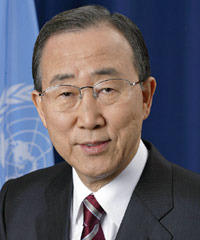
Ban Ki-moon
Ban Ki-moon, born on June 13, 1944, is a distinguished diplomat from South Korea. He has held several key positions in the international arena, including serving as the Secretary-General of the United Nations. Under his leadership, the United Nations made significant achievements in maintaining world peace and promoting sustainable development. more
You May Also Like
Source: Suicide: A Study in Sociology
Source: The Chomsky - Foucault Debate: On Human Nature
Source: The Cynic's Breviary: Maxims and Anecdotes from Nicolas de Chamfort
Source: Past and Present
Source: The Works of Edmund Burke: With a Memoir
“Society is a hospital of incurables.”
Source: The Essential Writings of Ralph Waldo Emerson
“Society is a masked ball, where every one hides his real character, and reveals it by hiding.”
Source: The Conduct of Life
Source: The Public Philosophy