“Compromise" is so often used in a bad sense that it is difficult to remember that properly it merely describes the process of reaching an agreement. Naturally there are certain subjects on which no man can compromise. For instance, there must be no compromise under any circumstances with official corruption, and of course no man should hesitate to say as much.”
Quote by Theodore Roosevelt
Work
The Strenuous Life: Essays and Addresses
This work is a compilation of essays and addresses that delve into the concept of the strenuous life, advocating for the cultivation of physical and mental fortitude and the pursuit of high ideals. The author explores the significance of a life filled with effort and challenge, emphasizing the importance of overcoming obstacles and striving for excellence. more
Author
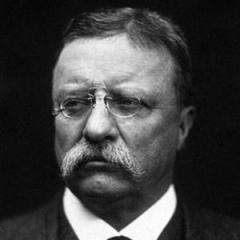
Theodore Roosevelt
Theodore Roosevelt was the 26th President of the United States, serving from 1901 to 1909. A progressive leader, he is known for his advocacy of the conservation movement, expansion of federal government regulation, and efforts to improve the lives of American citizens. more
You May Also Like
Source: Compilation of the Messages and Papers of the Presidents Section 2 (of 2) of Supplemental Volume: Theodore Roosevelt, Supplement
Source: African and European Addresses
Source: Theodore Roosevelt on Bravery: Lessons from the Most Courageous Leader of the Twentieth Century
Source: History as Literature and Other Essays
Source: Theodore Roosevelt on Bravery: Lessons from the Most Courageous Leader of the Twentieth Century