Quotessence
Home / Quotes / Quote by Wole Soyinka

Quote by Wole Soyinka

“The process of decolonisation in Nigeria was a very untidy one. The British, when they were leaving finally and knew exactly who they wanted to take over, they wanted pliant government, figures, structures, they wanted to continue indirectly in effect their control over much of their colonial possessions and this was one of the very early causes of conflict.”

Quote by Wole Soyinka

Author
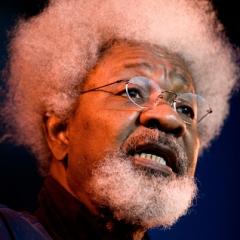
Wole Soyinka
Wole Soyinka

Wole Soyinka is a renowned Nigerian writer, playwright, poet, and political activist. Born on July 13, 1934, in Abeokuta, Nigeria, Soyinka is known for his profound social commentary and critical literary works. His writings span various forms, including drama, poetry, and fiction, often exploring themes of race, class, colonialism, and African identity. more

You May Also Like

“The British inclined more towards the feudal mentality, the feudal structures rather than the more radical progressive elements who would re-shape society and institute pretty egalitarian systems of governance with opportunity for even disadvantaged people and so I found that decolonisation was not just the end of political struggle in Nigeria.”

“Writers throughout the ages have one weapon, which is literature, but they also have their responsibilities as a citizen when literature does not seem to suffice. I mean, they are not mutually exclusive. One continues to write anyway but if you are called out to demonstrate, if people are being killed in the streets, it's hardly the moment to go for your pen and paper, you know, help in one way or the other.”

“As you get drawn more and more into other activities, like political activities, very demanding, you have to find different rhythms of writing; I think that's the word I'm looking for, rhythms of creativity which then, of course, become very intense. I think your writing then tends to be very intensified simply because there are other demands which seem equally important.”

“With theatre, you can interpret the most complex play on stage for it have meaning to an audience because you're dealing in images, you're dealing in action, you can use different idioms to interpret and clarify something which is obscured in the reading and of course there are different kinds of play, there are mythological plays, there are what I call the dramatic sketches, direct political theatre which is virtually everybody, but I find that you can use the stage as a social vehicle, you know, which any kind of audience.”