“In making the great experiment of governing people by consent rather than by coercion, it is not sufficient that the party in power should have a majority. It is just as necessary that the party in power should never outrage the minority.”
Quote by Walter Lippmann
Work
The Essential Lippmann: A Political Philosophy for Liberal Democracy
This book compiles key essays and articles by Walter Lippmann, a prominent political theorist, focusing on the functioning and values of liberal democracy. It delves into the complexities of political decision-making, the role of the media, and the nature of public opinion. more
Author
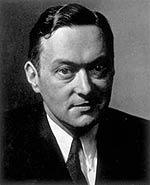
Walter Lippmann
Walter Lippmann was a prominent American writer and political commentator, born on September 23, 1889, and died on December 14, 1974. He was known for his profound insights into political and social issues and was one of the most influential political analysts in the United States during the 20th century. more
You May Also Like
Source: Cool memories
Source: Out of My Later Years: The Scientist, Philosopher, and Man Portrayed Through His Own Words
Source: Barthes: Selected Writings
Source: Out of My Later Years: The Scientist, Philosopher and Man Portrayed Through His Own Words
Source: The Best of Poe