Quotessence
Home / Quotes / Quote by Robert A. Williams, Jr.

Quote by Robert A. Williams, Jr.

“Until we start attacking the root of the historical problems of discrimination against Indians, and those Indians begin in these stereotypes, that Indians are less civilized than us, they're less able to exercise self-governing functions. Until we get to the roots of those problems, we're not going to change legislation. We're not going to change the hearts and minds of the Supreme Court.”

Quote by Robert A. Williams, Jr.

Author
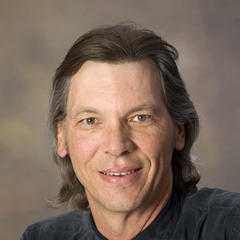
Robert A. Williams, Jr.

Robert A. Williams, Jr. is an American author recognized for his contributions to Native American studies. Born in 1955, he has conducted extensive research and written extensively on indigenous cultures and issues, making significant impacts in the academic and public discourse on indigenous rights and cultures. more

You May Also Like

“Many of the situations that we've talked about whether it's the San Carlos, whether it's the Navajo fighting for their land rights or fighting to develop their land to try and provide decent jobs on the reservation. The backdrop to all that, the reason that we have those battles is that history of dispossession. The story isn't over for American-Indians. ... You know, how could any tribal member think about giving away something that means so much to the tribe?”

“I was always casting about for role models as a kid and the Star Trek was always available via reruns and also full of possibilities. I wanted to be like Spock because he was unflappable. I wanted to be like Kirk because he had magnetism and the ladies loved him. Bones was a grouch but he was sympathetic. The show worked like a boy band in that way... it had characters who embodied different psychic or emotional positions and that allowed me to see a great range of things.”

“One of the hardest things for me to do is be fully open in a poem. By that I mean, honest and not trying to amplify some mythological version of myself. I was a poor, geeky black kid in Indianapolis. There is nothing mythological about that. So to try to truly render the kind of economic and racial inequity I grew up in, I had to find a way to be more honest about what happened. And it wasn't fun to write, even though the poems aren't 100% autobiographical.”

“That was one of things that surprised me so much when I was writing the poems. The contrasts between the haves and have-nots is so complicated. It's financial of course, but it's also the lifestyle choices. The more money people have the further away from each other they often want to be. So while I loved not being hungry and having new gear, etc. I missed the sounds of my neighbors and the kind of generosity people who are struggling together often show.”