Quotessence
Home / Quotes / Quote by C. H. Dodd

Quote by C. H. Dodd

“There is no real religious experience that does not express itself in charity.”

Quote by C. H. Dodd

Author
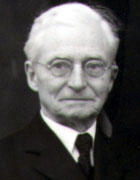
C. H. Dodd
C. H. Dodd

C. H. Dodd, born on April 7, 1884, and passed away on September 21, 1973, is a historical figure whose profession and life experience are not well-documented. more

You May Also Like

“A time comes when silence is betrayal. Even when pressed by the demands of inner truth, men do not easily assume the task of opposing their government's policy, especially in time of war. Nor does the human spirit move without great difficulty against all the apathy of conformist thought, within one's own bosom and in the surrounding world.”

“Art, not less eloquently than literature, teaches her children to venerate the single eye. Remember Matsys. His representations of miser-life are breathing. A forfeited bond twinkles in the hard smile. But follow him to an altar-piece. His Apostle has caught a stray tint from his usurer. Features of exquisite beauty are seen and loved; but the old nature of avarice frets under the glow of devotion. Pathos staggers on the edge of farce.”

“Association is the delight of the heart, not less than of poetry. Alison observes that an autumn sunset, with its crimson clouds, glimmering trunks of trees, and wavering tints upon the grass, seems scarcely capable of embellishment. But if in this calm and beautiful glow the chime of a distant bell steal over the fields, the bosom heaves with the sensation that Dante so tenderly describes.”

“The fame of a battlefield grows with its years; Napoleon storming the Bridge of Lodi, and Wellington surveying the towers of Salamanca, affect us with fainter emotions than Brutus reading in his tent at Philippi, or Richard bearing down with the English chivalry upon the white armies of Saladin.”

“Joy and grief are never far apart. In the same street the shutters of one house are closed, while the curtains of the next are brushed by shadow of the dance. A wedding-party returns from church, and a funeral winds to its door. The smiles and the sadness of life are the tragi-comedy of Shakespeare. Gladness and sighs brighten and dim the mirror he beholds.”