“Those who have lost an infant are never, as it were, without an infant child. Their other children grow up to manhood and womanhood, and suffer all the changes of mortality; but this one alone is rendered an immortal child; for death has arrested it with his kindly harshness, and blessed it into an eternal image of youth and innocence.”
Quote by Leigh Hunt
Work
Delphi Complete Poetical Works of Leigh Hunt (Illustrated)
The Delphi Complete Poetical Works of Leigh Hunt (Illustrated) is a comprehensive compilation of the poet's writings. It features a diverse array of poems that reflect Hunt's deep engagement with social issues, nature, and personal emotions. The illustrated edition adds visual elements to enhance the aesthetic appeal of the collection, making it a valuable resource for poetry enthusiasts and scholars alike. more
Author
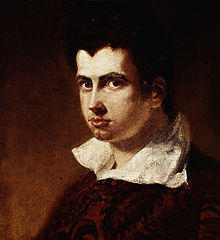
Leigh Hunt
Leigh Hunt was an English poet, essayist, and journalist, born in October 1784 and died on August 28, 1859. He was a prominent figure in the Romantic movement and is known for his literary contributions and social activism. more
You May Also Like
“The last excessive feelings of delight are always grave.”
Source: Table-talk: To which are added Imaginary conversations of Pope and Swift
“One can love any man that is generous.”
Source: Table-talk: To which are added Imaginary conversations of Pope and Swift
Source: Leigh Hunt's Works
“The loveliest hair is nothing, if the wearer is incapable of a grace.”
Source: Men, Women, and Books: A Selection of Sketches, Essays, and Critical Memoirs from His Uncollected Prose Writings
Source: Men, Women, and Books: A Selection of Sketches, Essays, and Critical Memoirs from His Uncollected Prose Writings
Source: Men, Women, and Books: A Selection of Sketches, Essays, and Critical Memoirs from His Uncollected Prose Writings
Source: The Religion of the Heart: A Manual of Faith and Duty
Source: Table-talk: To which are added Imaginary conversations of Pope and Swift