“Malebranche teaches that we see all things in God himself. This is certainly equivalent to explaining something unknown by something even more unknown. Moreover, according to him, we see not only all things in God, but God is also the sole activity therein, so that physical causes are so only apparently; they are merely occasional causes. ( Recherches de la vérité , Livre VI, seconde partie, chap. 3.) And so here we have essentially the pantheism of Spinoza who appears to have learned more from Malebranche than from Descartes.”
Quote by Arthur Schopenhauer
Author
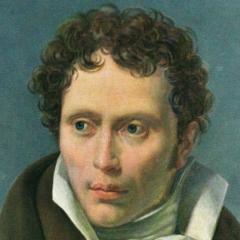
Arthur Schopenhauer
Arthur Schopenhauer was a prominent German philosopher born on February 22, 1788, and died on September 21, 1860. He is one of the most important figures in 19th-century German philosophy and is known for his unique pessimistic philosophical ideas. more
You May Also Like
Source: The World as Will and Representation
“For, as you know, religions are like glow-worms; they shine only when it is dark.”
Source: Religion
“We can do what we wish, but we can only wish what we must.”
Source: The World as Will and Representation