“A warlike nation like the Germans, without either cities, letters, arts, or money, found some compensation for this savage state in the enjoyment of liberty. Their poverty secured their freedom, since our desires and our possessions are the strongest fetters of despotism.”
Quote by Edward Gibbon
Work
The history of the decline and fall of the Roman empire, with notes by Milman and Guizot. Ed. by W. Smith
The book offers an in-depth exploration of the factors that contributed to the fall of the Roman Empire, including political, social, and economic aspects. It includes annotations by notable scholars Milman and Guizot, providing additional insights and analysis. Edited by W. Smith, the book is a scholarly work that aims to provide a thorough understanding of this pivotal period in history. more
Author
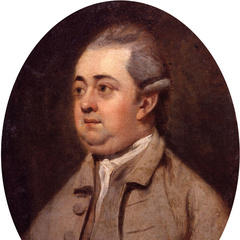
Edward Gibbon
Edward Gibbon was an English historian renowned for his magnum opus, 'The History of the Decline and Fall of the Roman Empire'. His work has had a profound impact on historical studies. more
You May Also Like
Source: The Decline and Fall of the Roman Empire:
Source: The History of the Decline & Fall of the Roman Empire
“In discussing Barbarism and Christianity I have actually been discussing the Fall of Rome.”
Source: The History Of The Decline And Fall Of The Roman Empire. By Edward Gibbon, Esq. Printed From The Edition In Twelve Volumes. With An Introductory Memoir Of The Author, By William Youngman
“The man who lives by hope, will die by hunger.”
Source: The spectator
Source: The Spectator: With a Biographical and Critical Preface, and Explanatory Notes ...