“Education is character development, harmonious completion of human personality. But what the state accomplishes in this field is dull drill, extinction of natural feeling, narrowing of the spiritual field of vision, destruction of all the deeper elements of character in man. The state can train subjects...but it can never develop free men who take their affairs into their own hands; for independent thought is the greatest danger that it has to fear.”
Quote by Rudolf Rocker
Author
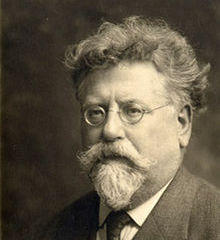
Rudolf Rocker
Rudolf Rocker (March 25, 1873 - September 19, 1958) was a German socialist, anarchist, writer, and translator, known for his contributions to anarchist theory and social philosophy. He is considered one of the most important anarchists of the 20th century. more
You May Also Like
Source: Where, When, and why: Social Studies in American Schools
Source: The school book: for people who want to know what all the hollering is about
“It is really an alienation to believe that learning is the result of teaching.”
“For me it's not a question of whether we should intrude in family life, but how and when.”