“It is worth remembering (though there is nothing that we can do about it) that the world as it really is may easily be a far nastier place than it would be if scientific materialism were the whole truth and nothing but the truth about it.”
Quote by C. D. Broad
Work
Lectures on Psychical Research (Routledge Revivals): Incorporating the Perrott Lectures Given in Cambridge University in 1959 and 1960
Lectures on Psychical Research (Routledge Revivals) is a compilation of scholarly discussions on the subject of psychical research. The book includes the Perrott Lectures, which were presented at Cambridge University over two years. The lectures delve into the study of phenomena that are beyond the scope of conventional science, such as telepathy, clairvoyance, and mediumship. The text offers insights into the historical context and the methodologies used in psychical research during the mid-20th century. more
Author
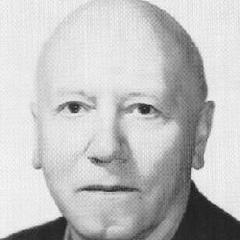
C. D. Broad
C. D. Broad was a prominent philosopher known for his research in metaphysics, epistemology, and religious philosophy. His works have had a profound impact on 20th-century philosophy. more
You May Also Like
Source: Collected Papers of Salomon Bochner
Source: The Parasites of Man, and the Diseases which Proceed from Them: A Textbook for Students and Practitioners
“I don't believe you have to have eating disorders and mental illness to screw up.”