Quotessence
Home / Quotes / Quote by John Shelby Spong

Quote by John Shelby Spong

“I grew up in North Carolina being told that the Bible approves slavery and segregation, that it was the will of God.”

Quote by John Shelby Spong

Author
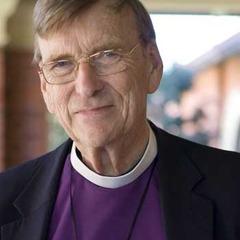
John Shelby Spong
John Shelby Spong

John Shelby Spong is an American author and theologian known for his modern interpretations of Christian doctrine and his challenges to traditional religious beliefs. His work spans multiple fields, including religion, theology, history, and literature. more

You May Also Like

“In supporting argument for segregation, Paul [the apostol] addresses the people in his epistle to the Colossians, and he tells them how to treat their slaves. "Slaves, obey your masters. Masters, be kind to yourslaves." Paul was in favor of a kinder and gentler slavery; it never occurred to him to raise the question about whether slavery itself was immoral.”

“Men didn't like to empty bedpans, so we made women nurses. Then men didn't like to do the administrative stuff, so women were allowed to become secretaries. That's the way they entered the work force. Then we began to educate them because they had to be educated. But it wasn't until after World War II that most of the great universities of this country became coeducational.”

“I think Jesus is a fact of history. I think a man named Jesus of Nazareth lived and was crucified. I think his death interpreted his life in a fantastic way, because if you study that life carefully underneath an overlay of theology and mythology, you'll find that the power of that life was that he was constantly giving himself away. He was constantly calling people to be all that they could be.”

“I think if you're convinced that you're evil, and that God has had to rescue you, then the best you can be is grateful. But nobody ever loves the person they have to be perpetually grateful to. That's just not the way it works in humanity. You need to be set free. You need to be loved just as you are so that you can become all that you can be. That's the direction we have to turn the Christian message; when we do, it becomes universal.”