Quotessence
Home / Quotes / Quote by Cesar Chavez

Quote by Cesar Chavez

Work

An Organizer's Tale: Speeches

This book compiles a series of speeches delivered by an organizer, addressing various aspects of leadership and social activism. The speeches likely delve into the challenges and triumphs of organizing movements, offering insights into the strategies and motivations behind effective leadership in the context of social change. more

Author
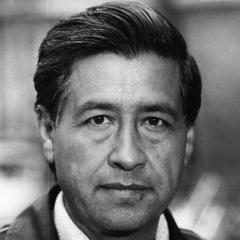
Cesar Chavez
Cesar Chavez

Cesar Chavez was a prominent civil rights activist who dedicated his life to advocating for the rights of farm workers in the United States. Born on March 31, 1927, in Yuma, Arizona, Chavez grew up in a migrant farmworker family and experienced firsthand the hardships faced by agricultural laborers. He co-founded the National Farm Workers Association (NFWA) in 1962, which later became the United Farm Workers (UFW). Through nonviolent protest, boycotts, and strikes, Chavez fought for fair wages, better working conditions, and improved living standards for farm workers. His efforts led to significant changes in the agricultural industry and inspired countless others to join the fight for social justice. more

You May Also Like

“The road to social justice for the farm worker is the road of unionization. Our cause, our strike against table grapes and our international boycott are all founded upon our deep conviction that the form of collective self-help, which is unionization, holds far more hope for the farm worker than any other single approach, whether public or private. This conviction is what brings spirit, high hope and optimism to everything we do.”

“...So they are trying to do something about it. They are not doing it by seeking charity. They are not begging at the welfare office. They are not, like many of their employers, lobbying the halls of Congress with their gold plated tin cups asking to be paid for not growing crops. They are trying to do it in the way that millions of other Americans have shown is the right way-organization, unionism, collective bargaining.”

“These observations tie in directly with the whole question of organizing. Why do we have leaders? We put some people out in the fields and all of a sudden they hit, they click. Everyone's happy with them and they begin to move mountains. With other people there are problems and heartaches. They just don't go. When we look and see what's happening, almost invariably the differences are along the lines of willingness to sacrifice and work long hours.”