“It is manifest therefore that they who have sovereign power, are immediate rulers of the church under Christ, and all others but subordinate to them. If that were not, but kings should command one thing upon pain of death, and priests another upon pain of damnation, it would be impossible that peace and religion should stand together.”
Quote by Thomas Hobbes
Work
The Elements of Law, Natural and Politic: Part I, Human Nature, Part II, De Corpore Politico ; with Three Lives
This book is a foundational work in the field of legal philosophy, delving into the principles of law as they relate to human nature and political structures. It is divided into two parts, with the first focusing on human nature and the second on political bodies. Additionally, it includes biographical accounts of three significant figures, providing historical context and insight into the era in which the work was written. more
Author
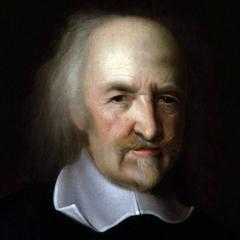
Thomas Hobbes
Thomas Hobbes, a British philosopher, politician, historian, economist, and writer, was born on April 5, 1588, in Wiltshire, and died on December 4, 1679, in Oxford, England. Hobbes is considered one of the most important philosophers of the 17th century, known for his profound analysis of the state, society, and human behavior. more
You May Also Like
Source: The English Works of Thomas Hobbes of Malmesbury
Source: The Elements of Law, Natural and Politic: Part I, Human Nature, Part II, De Corpore Politico ; with Three Lives
Source: Leviathan
Source: Hobbes and Bramhall on Liberty and Necessity
Source: Annotated LEVIATHAN with English Grammar Exercises: by Thomas Hobbes (Author), Robert Powell (Editor)
Source: Leviathan
Source: Leviathan, Parts I and II
Source: Of Liberty and Necessity; a treatise, wherein all controversy concerning predestination, election, free will, grace, merits, reprobation, etc. is fully decided and cleared. New edition
Source: The Moral and Political Works of Thomas Hobbes of Malmesbury: Never Before Collected Together : To which is Prefixed, the Author's Life, Extracted from that Said to be Written by Himself, ...