“True and false are attributes of speech not of things. And where speech is not, there is neither truth nor falsehood. Error theremay be, as when we expect that which shall not be; or suspect what has not been: but in neither case can a man be charged with untruth.”
Quote by Thomas Hobbes
Author
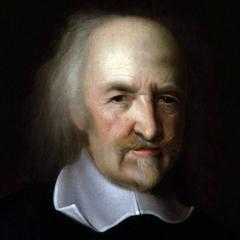
Thomas Hobbes
Thomas Hobbes, a British philosopher, politician, historian, economist, and writer, was born on April 5, 1588, in Wiltshire, and died on December 4, 1679, in Oxford, England. Hobbes is considered one of the most important philosophers of the 17th century, known for his profound analysis of the state, society, and human behavior. more
You May Also Like
Source: Hobbes and Bramhall on Liberty and Necessity
Source: Annotated LEVIATHAN with English Grammar Exercises: by Thomas Hobbes (Author), Robert Powell (Editor)
Source: Leviathan
Source: Leviathan, Parts I and II
Source: Of Liberty and Necessity; a treatise, wherein all controversy concerning predestination, election, free will, grace, merits, reprobation, etc. is fully decided and cleared. New edition
Source: The Moral and Political Works of Thomas Hobbes of Malmesbury: Never Before Collected Together : To which is Prefixed, the Author's Life, Extracted from that Said to be Written by Himself, ...
Source: The Moral and Political Works of Thomas Hobbes of Malmesbury: Never Before Collected Together : To which is Prefixed, the Author's Life, Extracted from that Said to be Written by Himself, ...
Source: The English Works of Thomas Hobbes of Malmesbury
Source: The English Works of Thomas Hobbes of Malmesbury
Source: Leviathan, Parts I and II - Revised Edition