“It is not the conscience which raises a blush, for a man may sincerely regret some slight fault committed in solitude, or he may suffer the deepest remorse for an undetected crime, but he will not blush... It is not the sense of guilt, but the thought that others think or know us to be guilty which crimsons the face.”
Quote by Charles Darwin
Work
The Expression of the Emotions in Man and Animals
This influential book delves into the intricate ways in which emotions are communicated and perceived across species, offering insights into the universal aspects of human and animal psychology. more
Author
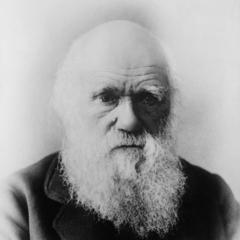
Charles Darwin
Charles Darwin, a British naturalist, is renowned as the founder of evolutionary biology. Born on February 12, 1809, in England, he passed away on April 19, 1882. Darwin is best known for his research on the theory of evolution, which proposed that species evolve through natural selection and survival of the fittest. more
You May Also Like
Source: Charles Darwin: An Anthology
Source: Charles Darwin: An Anthology
Source: Charles Darwin: An Anthology
Source: On the Origin of Species
“Of all the kind of pains, the greatest pain is to love and to love in vain.”
“As always in a musical collaboration: One has to like each other. As simple as that.”