“It is not life that's complicated, it's the struggle to guide and control life.”
Quote by F. Scott Fitzgerald
Work
The Complete Works of F. Scott Fitzgerald: Novels, Short Stories, Poetry, Articles, Letters, Plays & Screenplays: From the author of The Great Gatsby, The Side of Paradise, Tender Is the Night, The Beautiful and Damned, The Love of the Last Tycoon, The Curious Case of Benjamin Button and many other notable works
The Complete Works of F. Scott Fitzgerald is a definitive compilation of the author's extensive literary career. It includes a wide array of his writings, from the classic novels that have cemented his legacy to lesser-known short stories, poetry, and other forms of creative expression. This collection provides a comprehensive view of Fitzgerald's talent, highlighting his exploration of themes such as the American Dream, the Jazz Age, and the complexities of human relationships. The inclusion of his personal correspondence, articles, and plays offers insight into his professional and personal life, making this a valuable resource for students and fans of Fitzgerald's work. more
Author
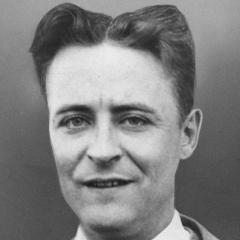
F. Scott Fitzgerald
F. Scott Fitzgerald was an American author of novels and short stories, renowned for his works that encapsulate the Jazz Age and the Roaring Twenties. His most celebrated novel, 'The Great Gatsby,' is a critical and commercial success, reflecting the themes of the American Dream and the decline of the American upper class. more
You May Also Like
“He who's down one day can be up the next, unless he really wants to stay in bed, that is.”
“There were no embraces, because where there is great love there is often little display of it.”
Source: Siddhartha: An Indian Tale
“This is my last message to you: in sorrow, seek happiness.”
Source: The Brothers Karamazov by Fyodor Dostoevsky: (Translated by Constance Garnett)
Source: The Brothers Karamazov (English Russian Edition illustrated): Братья Карамазовы (англо-русская редакция иллюстрированная)
“Being in love doesn't mean loving.”
Source: The Brothers Karamazov by Fyodor Dostoevsky: (Translated by Constance Garnett)