“The river is everywhere at the same time . . . everywhere and the present only exists for it, not the shadow of the past, nor the shadow of the future.”
Quote by Hermann Hesse
Work
Siddhartha: An Indian Tale
This classic work delves into the life of Siddhartha, a young Brahmin who seeks enlightenment and wisdom, leaving his family and societal expectations behind. The narrative follows his quest for spiritual truth, leading him through various teachings and experiences, ultimately leading to his own unique path of self-discovery. more
Author
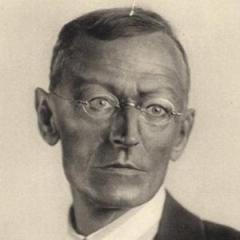
Hermann Hesse
Hermann Hesse was a German poet and novelist, born on July 2, 1877, and died on August 9, 1962. Known for his profound psychological descriptions and exploration of human nature, his works include classics such as 'Steppenwolf' and 'The Glass Bead Game'. more
You May Also Like
“Every advantage in the past is judged in the light of the final issue.”
Source: Complete Works of Demosthenes (Delphi Classics)
Source: The Complete Works of C. H. Spurgeon, Volume 31: Sermons 1816-1876
“YESTERDAY, n. The infancy of youth, the youth of manhood, the entire past of age.”
Source: The Unabridged Devil's Dictionary
Source: Aims of Education