“The second class of evils comprises such evils as people cause to each other, when, e.g. , some of them use their strength against others. These evils are more numerous than those of the first kind... they likewise originate in ourselves, though the sufferer himself cannot avert them.”
Quote by Maimonides
Work
Guide for the perplexed
Written by Moses Maimonides, this seminal work delves into metaphysics, ethics, and the nature of God, offering insights into the complexities of human thought and the quest for wisdom. more
Author
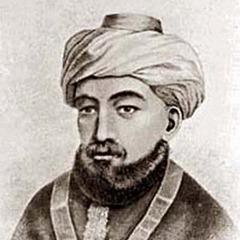
Maimonides
Maimonides, born on March 30, 1135 and died on December 12, 1204, was a Jewish philosopher, physician, and legal scholar. He is renowned for his contributions to philosophy, medicine, and Jewish law. more
You May Also Like
Source: The Guide for the Perplexed
Source: The Guide for the Perplexed
Source: The Guide for the Perplexed
“That which is produced with intention has passed over from non-existence to existence.”
Source: The Guide for the Perplexed
Source: The Guide for the Perplexed
Source: The Guide for the Perplexed
“For that which is without a beginning, a final cause need not be sought.”
Source: Guide for the perplexed
Source: Guide for the perplexed