“The common people feel themselves oppressed by the grasping of some, and their vanity is flattered by others. Fired with evil passions, they are no longer willing to submit to control, but demand that everything be subject to their authority. The invariable result is that government assumes the noble names of free and popular, but becomes in fact the most execrable thing, mob rule.”
Quote by Polybius
Author
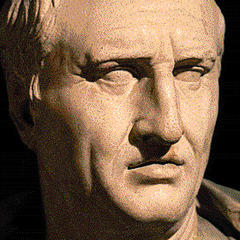
Polybius
Polybius, born in 203 BC and died in 120 BC, was a Greek politician and historian. He is renowned for his studies on political systems and detailed records of historical events. Polybius was born in Megara and studied under the famous politician Lysias. In politics, he held important positions in Sparta and served as an ambassador to Rome. His most famous work is the 'Histories', which provides a detailed account of the Greek and Roman wars from 264 BC to 146 BC, and has had a profound impact on historical research. He also proposed the theory of mixed government, which suggests that it is the best form of government. more
You May Also Like
Source: The Abundance
Source: Poetical works
Source: The Works of Samuel Johnson, LL. D.: With an Essay on His Life and Genius /c by Arthur Murphy, Esq
“With what cracked pitchers go we to deep wells In this world!”
Source: Poems
Source: The Works of the Late Rev. Stephen Charnock ... With a Prefatory Dedication and Memoir
Source: The Works of Samuel Johnson: LL.D. A New Edition in Twelve Volumes. With an Essay on His Life and Genius, by Arthur Murphy, Esq