Quotessence
Home / Quotes / Quote by Charles M. Schulz

Quote by Charles M. Schulz

“I despise those shallow religious comics. Dennis the Menace, for instance, is the most shallow. When they show him praying - I just can't stand that sort of thing, talking to God about some cutesy thing that he'd done during the day. I don't think Hank Ketcham has any deep knowledge of things like that.”

Quote by Charles M. Schulz

Author
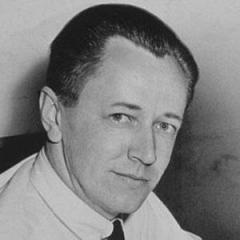
Charles M. Schulz
Charles M. Schulz

Charles M. Schulz, born on November 26, 1922, was an American cartoonist renowned for his creation of the comic strip 'Peanuts'. The strip, which began its newspaper run in 1950, has become a global phenomenon, beloved by readers worldwide. Schulz is celebrated for his unique sense of humor and profound insights into the lives of children. more

You May Also Like

“There is nothing more negative than the result of the critical study of the life of Jesus. The Jesus of Nazareth who came forward publicly as the Messiah, who preached the Kingdom of God, who founded the Kingdom of Heaven upon earth, and died to give his work its final consecration, never had any existence. He is a figure designed by rationalism, endowed with life by liberalism, and clothed by modern theology in an historical garb.”

“But the others, those who tried to bring Jesus to life at the call of love, found it a cruel task to be honest. The critical study of the life of Jesus has been for theology a school of honesty. The world had never seen before, and will never see again, a struggle for truth so full of pain and renunciation as that of which the Lives of Jesus of the last hundred years contain the cryptic record.”

“The study of the Life of Jesus has had a curious history. It set out in quest of the historical Jesus, believing that when it had found Him it could bring Him straight into our time as a Teacher and Saviour. ... But He does not stay; He passes by our time and returns to His own... He returned to His own time, not owing to the application of any historical ingenuity, but by the same inevitable necessity by which the liberated pendulum returns to its original position.”