“There is this blessing, that while life has but one entrance, it has exits innumerable, and as I choose the house in which I live, the ship in which I will sail, so will I choose the time and manner of my death.”
Quote by Seneca the Younger
Author
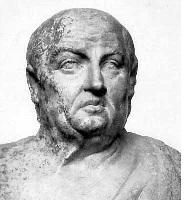
Seneca the Younger
Seneca the Younger (4 BC - 65 AD) was a renowned Roman philosopher, statesman, and playwright. Born into a wealthy Roman family, he served as a government official in the Roman Empire. Seneca's philosophy was deeply influenced by Stoicism, and his works have had a profound impact on later generations. more
You May Also Like
“Thrust your head into the public street, to gaze on Christian fools with varnish'd faces.”
“His worst fault is, he's given to prayer; he is something peevish that way.”
Source: Histories of Shakespeare in Plain and Simple English (a Modern Translation and the Original Version)
Source: Egyptian mythology and Egyptian Christianity, with their influence on the opinions of modern Christendom
Source: Egyptian mythology and Egyptian Christianity, with their influence on the opinions of modern Christendom