“[At the end of the story, its main character, Tom] is now a great man of science, and can plan railroads, and steam-engines, and electric telegraphs, and rifled guns, and so forth; and knows everything about everything, except why a hen's egg don't turn into a crocodile, and two or three other little things that no one will know till the coming of the Cocqcigrues.”
Quote by Charles Kingsley
Work
The Water-babies a Fairy Tale for a Land-baby by the Rev. Charles Kingsley
This enchanting narrative follows the journey of a young boy who, after a tragic accident, is transformed into a water spirit. The story is filled with whimsical characters and moral lessons, offering a captivating blend of fantasy and moral instruction. more
Author
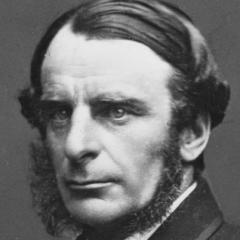
Charles Kingsley
Charles Kingsley was a British professor, born on June 12, 1819, and died on January 23, 1875. He is known for his contributions to literature and education. more
You May Also Like
“[Newton's calculations] entered the marrow of what we know without knowing how we know it.”
“The greatest crime since World War II has been U.S. foreign policy.”
Source: How Life Imitates Chess: Making the Right Moves, from the Board to the Boardroom
“-ev'n with us the breath Of Science dims the mirror of our joy.”
Source: Delphi Complete Works of Edgar Allan Poe (Illustrated)
“To one, science is an exalted goddess; to another it is a cow which provides him with butter.”