Quotessence
Home / Quotes / Quote by Thomas Hardy

Quote by Thomas Hardy

Author

Thomas Hardy
Thomas Hardy

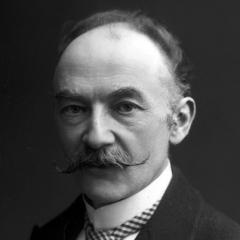
Thomas Hardy, a British novelist born on June 2, 1840, and died on January 11, 1928, is renowned for his novels that depict rural life, reflecting the social changes in 19th-century England. His works often carry a sense of pessimism, depicting the fates of characters with sympathy. more

You May Also Like

“I've spent fifteen years of my life fighting for our right to be free and make love whenever, wherever... And you're telling me that all those years of what being gay stood for is wrong... and I'm a murderer. We have been so oppressed! Don't you remember how it was? Can't you see how important it is for us to love openly, without hiding and without guilt?”

“The only way we'll have real pride is when we demand recognition of a culture that isn't just sexual. It's all there--all throughhistory we've been there; but we have to claim it, and identify who was in it, and articulate what's in our minds and hearts and all our creative contributions to this earth. And until we do that, and until we organise ourselves block by neighborhood by city by state into a united visible community that fights back, we're doomed.”

“For most Northerners, Texas is the home of real men. The cowboys, the rednecks, the outspoken self-made right-wing millionaires strike us as either the best or worst examples of American manliness.... The ideal is not an illusion nor is it contemptible, no matter what damage it may have done. Many people who scorn it in conversation want to submit to it in bed. Those who believe machismo reeks of violence alone choose to forget it once stood for honor as well.”

“The scorn directed against drags is especially virulent; they have become the outcasts of gay life, the "queers" of homosexuality.In fact, they are classic scapegoats. Our old fears about our sissiness, still with us though masked by the new macho fascism, are now located, isolated, quarantined through our persecution of the transvestite.”

“San Francisco is where gay fantasies come true, and the problem the city presents is whether, after all, we wanted these particular dreams to be fulfilled--or would we have preferred others? Did we know what price these dreams would exact? Did we anticipate the ways in which, vivid and continuous, they would unsuit us for the business of daily life? Or should our notion of daily life itself be transformed?”

“The almost Oriental politeness of the West Coast is one of its distinctive regional features, in marked contrast to the contentiousness of the East Coast.... So few human contacts in Los Angeles go unmediated by glass (either a TV screen or an automobile windshield), that the direct confrontation renders the participants docile, stunned, sweet.”