“For nothing so much disturbs the mind, though it be done for some beneficial purpose, as to innovate and introduce strange things, and most of all when this is done in matters relating to divine worship and the glory of God.”
Quote by Saint John Chrysostom
Work
The Homilies of S. John Chrysostom, Archbishop of Constantinople on the First Epistle of St. Paul the Apostle to the Corinthians: Hom. 1-24. Pt. 2. Hom. 25-44
The Homilies of S. John Chrysostom, Archbishop of Constantinople on the First Epistle of St. Paul the Apostle to the Corinthians is a scholarly work that includes a series of sermons delivered by Saint John Chrysostom. These homilies are based on the first epistle written by Saint Paul to the Corinthians, a significant letter in the New Testament. The book is divided into two parts, with the second part containing homilies 25-44. Chrysostom's interpretations and teachings are detailed and provide insight into both the text and the historical context of the early Christian church. more
Author
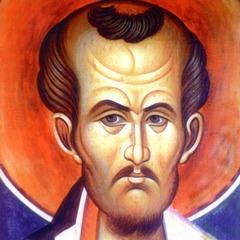
Saint John Chrysostom
Saint John Chrysostom (c. 347 – September 14, 407) was an early Church Father and Archbishop of Constantinople, renowned for his eloquent preaching and oratory, earning the epithet 'Chrysostom' meaning 'golden-mouthed.' Born in Antioch, he received a classical education and later became a hermit. His sermons emphasized moral reform, social justice, and biblical exegesis, often criticizing luxury and corruption. His conflicts with the imperial court and clergy led to multiple exiles, and he died during a forced march. His extensive writings, including homilies, commentaries, and letters, profoundly influenced Eastern Christianity. He is venerated as a saint and Doctor of the Church in Eastern Orthodoxy, Catholicism, and other traditions. more
You May Also Like
“All sympathy not consistent with acknowledged virtue is but disguised selfishness.”
Source: Notes: Theological, Political and Miscellaneous