“All motion is relative. Perhaps it is you who have moved away-by standing still”
Quote by Robert E. Lee
Work
Inherit the Wind: The Powerful Courtroom Drama in which Two Men Wage the Legal War of the Century
In this dramatic narrative, the story unfolds as two men engage in a fierce legal battle that becomes a symbol of the struggle between modern scientific thought and traditional religious beliefs. The novel is set in the early 20th century and delves into the complexities of intellectual and cultural conflict, offering a vivid portrayal of the era's societal tensions. more
Author
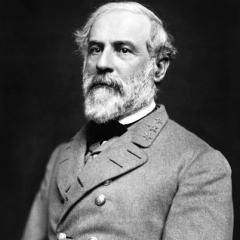
Robert E. Lee
Robert E. Lee, a prominent military officer in American history, was born on January 19, 1807, and died on October 12, 1870. He served as the commanding general of the Confederate States Army during the American Civil War, known for his military skills and loyalty. more
You May Also Like
“All around us, Karachi kept moving”
Source: Kartography: A Lyrical Literary Romance of Fated Love and Secrets in Pakistan
Source: First Principles
Source: The Scientific Papers of James Clerk Maxwell: Volume II
“We are like some particle in motion always moving and meeting other particle.”
Source: That's My Love Story
Source: The Motion of Light in Water: Sex and Science Fiction Writing in the East Village
“It's easier to make something happen when you're already in motion.”
Source: Kabbalah Made Easy: Ancient Mystical Wisdom Decoded for Modern Life
Source: War and Peace