Quotessence
Home / Quotes / Quote by Robert Murray M'Cheyne

Quote by Robert Murray M'Cheyne

“Self-righteousness....is the largest idol of the human heart - the idol which man loves most and God hates most. Dearly beloved, you will always be going back to this idol. You are always trying to be something in yourself, to gain God's favour by thinking little of your sin, or by looking to your repentance, tears, prayers ; or by looking to your religious exercises, your frames, etc; or by looking to your graces, the Spirit's work in your heart. Beware of false Christs. Study sanctification to the utmost, but make not a Christ of it.”

Quote by Robert Murray M'Cheyne

Author
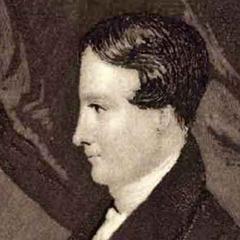
Robert Murray M'Cheyne

Robert Murray M'Cheyne was a Scottish missionary and theologian, born on May 21, 1813, in Scotland, and died on March 25, 1843. He is known for his deep biblical scholarship and passion for missionary work. more

You May Also Like

“Have I then no work to work in this great matter of my pardon? None. What work canst thou work? What work of thine can buy forgiveness or make thee fit for the Divine favour? What work has God bidden thee work in order to obtain salvation? None. His Word is very plain and easy to be understood, "To him that worketh not, but believeth in Him that justifieth the ungodly, his faith is counted for righteousness" (Rom. 4:5). There is but one work by which a man can be saved. That work is not thine, but the work of the Son of God. That work is finished.”

“Americans are not going to tolerate intimidation, terror and outright acts of war against this nation and its people. And we are especially not going to tolerate these attacks from outlaw states run by the strangest collection of misfits, Looney Tunes and squalid criminals since the advent of the Third Reich ... There can be no place on earth where it is safe for these monsters to rest,or train or practice their cruel and deadly. We must act together - or unilateraly, if necessary - to ensue that these terrorists have no sanctuary, anywhere.”

“Politics I take to be the activity of attending to the general arrangements of a set of people whom chance or choice have brought together. In this sense, families, clubs, and learned societies have their 'politics'. But the communities in which this manner of activities is pre-eminent are the hereditary co-operative groups, many of them of ancient lineage, all of them aware of a past, a present and a future, which we call states.”