Quotessence
Home / Quotes / Quote by Roxane Gay

Quote by Roxane Gay

“If people cannot be flawed in fiction there's no place left for us to be human.”

Quote by Roxane Gay

Author
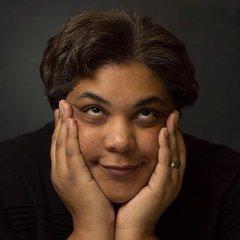
Roxane Gay
Roxane Gay

Roxane Gay is an American writer born in 1974. Her works include novels, non-fiction, short stories, and essays. Her notable works are 'Bad Feminist' and 'Hunger'. Her writing style is characterized by humor, honesty, and profound self-reflection. more

You May Also Like

“We need to stop playing Privilege or Oppression Olympics because we'll never get anywhere until we find more effective ways of talking through difference. We should be able to say, “This is my truth,” and have that truth stand without a hundred clamoring voices shouting, giving the impression that multiple truths cannot coexist.”

“Feminism is a choice, and if a woman does not want to be a feminist, that is her right, but it is still my responsibility to fight for her rights. I believe feminism is grounded in supporting the choices of women even if we wouldn't make certain choices for ourselves. I believe women not just in the United States but throughout the world deserve equality and freedom but know I am in no position to tell women of other cultures what that equality and freedom should look like.”

“Buy or borrow self-improvement books, but don't read them. Stack them around your bedroom and use them as places to rest bowls of cookies.Watch exercise shows on television, but don't do the exercises. Practice believing that the benefit lies in imagining yourself doing the exercises.Don't power walk. Saunter slowly in the sun, eating chocolate, and carry a blanket so you can take a nap.”

“Pastoureau combines a charming, conversational tone with a haughtiness I found entirely endearing. A director of studies at the Ecole Pratique des Hautes Etudes at the Sorbonne in Paris, he writes from a position of professorial confidence. He has conducted extensive research into the history of colour for a quarter century and his aim is to correct misapprehensions and banish ignorance. His style is not to inquire, explore or interrogate, in the fashion of academic studies today. It is to impart knowledge.”

“The most controversial issues of the twenty-first century will pertain to the ends and means of modifying human behavior and who shall determine them. The first educational question will not be 'what knowledge is of the most worth?' but 'what kinds of human beings do we wish to produce?' The possibilities virtually defy our imagination.”