“He, who for an ordinary cause, resigns the fate of his patient to mercury, is a vile enemy to the sick; and, if he is tolerably popular, will, in one successful season, have paved the way for the business of life, for he has enough to do, ever afterward, to stop the mercurial breach of the constitutions of his dilapidated patients. He has thrown himself in fearful proximity to death, and has now to fight him at arm's length as long as the patient maintains a miserable existence.”
Quote by Nathaniel Chapman
Author
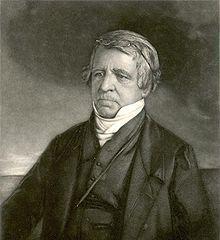
Nathaniel Chapman
Nathaniel Chapman was a significant physician in the early 19th century, renowned for his contributions to the fields of obstetrics and gynecology. His work laid the groundwork for modern obstetric practices, and his teachings had a profound impact on the medical community. more
You May Also Like
Source: Migraine
Source: The Canon of Medicine (al-Qānūn Fī'l-ṭibb)
Source: The Genuine Works of Hippocrates
“Medicine would be the ideal profession if it did not involve giving pain.”
“MEDICINE, n. A stone flung down the Bowery to kill a dog in Broadway.”
Source: The Devil's Dictionary: The Devil World