“The beginnings of all things are weak and tender. We must therefore be clear-sighted in the beginnings, for, as in their budding we discern not the danger, so in their full growth we perceive not the remedy.”
Quote by Michel de Montaigne
Work
Selected essays of Montaigne: in the translation of John Florio
"Selected essays of Montaigne: in the translation of John Florio" is a compilation of essays by Michel de Montaigne, a prominent French philosopher and writer who lived in the 16th century. Montaigne's essays are a significant contribution to the literary and philosophical traditions of his time, offering a unique perspective on human nature, ethics, and the pursuit of wisdom. The essays are characterized by their conversational style, personal anecdotes, and philosophical musings. This edition features a translation by John Florio, a contemporary of Montaigne, which is known for its accuracy and readability. The collection provides readers with an engaging and insightful look into the mind of one of history's greatest thinkers. more
Author
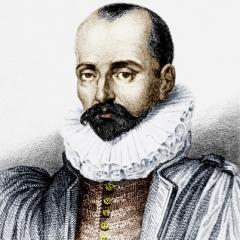
Michel de Montaigne
Michel de Montaigne was a French Renaissance philosopher, essayist, and writer. He is considered one of the most significant figures in the history of the essay. Montaigne's work, particularly his book 'Essays', has been influential in the development of modern prose. more
You May Also Like
Source: The Essays
Source: Complete Essays
“I am one of those who hold that poetry is never so blithe as in a wanton and irregular subject.”
Source: Complete Essays
Source: The Essays
Source: The Complete Essays of Montaigne
Source: The Essays
Source: The Essays