“We are slumberous poppies, Lords of Lethe downs, Some awake and some asleep, Sleeping in our crowns. What perchance our dreams may know, Let our serious may know.”
Quote by Leigh Hunt
Work
Delphi Complete Poetical Works of Leigh Hunt (Illustrated)
The Delphi Complete Poetical Works of Leigh Hunt (Illustrated) is a comprehensive compilation of the poet's writings. It features a diverse array of poems that reflect Hunt's deep engagement with social issues, nature, and personal emotions. The illustrated edition adds visual elements to enhance the aesthetic appeal of the collection, making it a valuable resource for poetry enthusiasts and scholars alike. more
Author
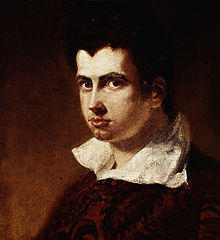
Leigh Hunt
Leigh Hunt was an English poet, essayist, and journalist, born in October 1784 and died on August 28, 1859. He was a prominent figure in the Romantic movement and is known for his literary contributions and social activism. more
You May Also Like
Source: Leigh Hunt's London Journal
Source: A Book for a Corner
Source: Men, Women, and Books: A Selection of Sketches, Essays, and Critical Memoirs, from His Uncollected Prose Writings
Source: Men, Women, and Books: A Selection of Sketches, Essays, and Critical Memoirs from His Uncollected Prose Writings
Source: Men, Women, and Books: A Selection of Sketches, Essays, and Critical Memoirs, from His Uncollected Prose Writings
“Happy opinions are the wine of the heart.”
Source: A Day by the Fire: And Other Papers, Hitherto Uncollected
“Poetry is the breath of beauty.”
Source: Fiction and matter of fact. Inside of an omnibus. Day of the disasters of Carlington Blundell. Visit to the zoological gardens. A man introduced to his ancestors. Novel party. Beds and bedrooms. World of books. Jack Abbott's breakfast. On seeing a pigeon make love. Month of May. The Giuli tre. Few remarks on the cure vice called lying. Criticism on female beauty. Of deceased statesmen who have written verses. Female sovereigns of England