“Papal infallibility and biblical inerrancy are the two ecclesiastical versions of this human idolatry. Both papal infallibility and biblical inerrancy require widespread and unchallenged ignorance to sustain their claims to power. Both are doomed as viable alternatives for the long- range future of anyone.”
Quote by John Shelby Spong
Work
Resurrection: myth or reality? : a bishop's search for the origins of Christianity
The book delves into the historical and theological debates surrounding the resurrection of Jesus Christ, offering a critical analysis from the viewpoint of a bishop. It investigates the origins of the resurrection story, its development within early Christian texts, and its impact on the faith and practice of Christianity. more
Author
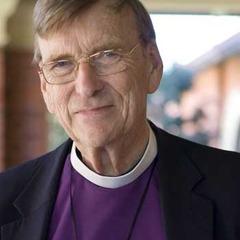
John Shelby Spong
John Shelby Spong is an American author and theologian known for his modern interpretations of Christian doctrine and his challenges to traditional religious beliefs. His work spans multiple fields, including religion, theology, history, and literature. more
You May Also Like
Source: Resurrection: myth or reality? : a bishop's search for the origins of Christianity
Source: Losing Faith in Faith: From Preacher to Atheist
“The longer I have been an atheist, the more amazed I am that I ever believed Christian notions.”
Source: Losing Faith in Faith: From Preacher to Atheist
“Freethought is respectable. Freethought is crucial. Freethought needs to be publicized.”
Source: Losing Faith in Faith: From Preacher to Atheist
Source: Losing Faith in Faith: From Preacher to Atheist
Source: Beyond Born Again: Toward Evangelical Maturity
Source: Beyond Born Again: Toward Evangelical Maturity