“Strange bent over these things, with a concentration to rival Minervois's own, questioning, criticizing and proposing. Strange and the two engravers spoke French to each other. To Strange's surprize Childermass understood perfectly and even addressed one or twoquestions to Minervois in his own language. Unfortunately, Childermass's French was so strongly accented by his native Yorkshire that Minervois did not understand and asked Strange if Childermass was Dutch.”
Quote by Susanna Clarke
Work
Jonathan Strange and Mr Norrell
This novel is a rich tapestry of historical fiction and fantasy, following the lives of Jonathan Strange and Mr Norrell, two men who bring magic back to England. The story delves into the complexities of magic and its impact on society, while also providing a detailed look at the political and social landscape of the time. more
Author
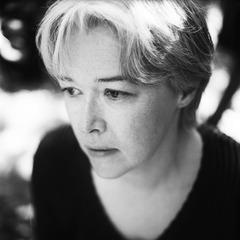
Susanna Clarke
Susanna Clarke is a British author best known for her novel 'American Gods', which has won numerous awards, including the Hugo Award. Born on November 1, 1959, Clarke grew up in the UK and studied English literature at Oxford University. Her career began as a literary editor before she turned to writing. 'American Gods' is a fantasy novel that blends history, mythology, and science fiction, and it has achieved both critical acclaim and commercial success. Clarke's work is celebrated for its unique narrative techniques and profound exploration of social and cultural issues, having a significant impact on contemporary fantasy literature. more