“I find it difficult to believe that words have no meaning in themselves, hard as I try. Habits of a lifetime are not lightly thrown aside.”
Book:Tyranny of Words
“I find it difficult to believe that words have no meaning in themselves, hard as I try. Habits of a lifetime are not lightly thrown aside.”
This book delves into the profound impact of words on human perception, communication, and the construction of reality. It examines how language can be both a tool for liberation and a means of oppression, exploring the complex relationship between words and the world we inhabit. more
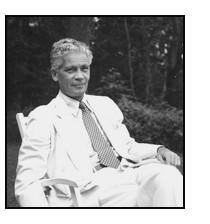
Stuart Chase was an American economist renowned for his contributions to economic forecasting and his influential books on economics. Born on March 8, 1888, in Canton, Ohio, he passed away on November 16, 1985. Chase's work focused on the application of economic principles to public policy and business decisions, and he was a pioneer in the field of economic forecasting. His writings, including 'The Road to Plenty' and 'The Conquest of Poverty', have had a lasting impact on economic thought and policy. more
“Accept your genius and say what you think.”