“The latent causes of faction are thus sown in the nature of man; and we see them everywhere brought into different degrees of activity, according to the different circumstances of civil society.”
Quote by James Madison
Work
The Federalist Papers: A Collection of Essays Written in Favour of the New Constitution
This book is a collection of essays that were originally published in newspapers to promote the ratification of the U.S. Constitution. The authors, Alexander Hamilton, James Madison, and John Jay, discuss the principles and structure of the new government. The essays are considered foundational texts in American political thought and legal history. more
Author
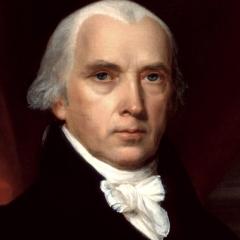
James Madison
James Madison, the 4th President of the United States, was born on March 16, 1751, and died on June 28, 1836. He was a key figure in drafting the U.S. Constitution and had a profound impact on the political system of the United States. more
You May Also Like
Source: The Writings of George Washington: Being His Correspondence, Addresses, Messages, and Other Papers, Official and Private
“We must take human nature as we find it, perfection falls not to the share of mortals.”
Source: The Writings of George Washington: Life of Washington
Source: The Works of Alexander Hamilton: Miscellanies, 1774-1789: A full vindication; The farmer refuted; Quebec bill; Resolutions in Congress; Letters from Phocion; New-York Legislature, etc
“If Men are so wicked as we now see them with Religion what would they be if without it?”
Source: The Political Thought of Benjamin Franklin
“But the mere circumstance of complexion cannot deprive them of the character of men.”
Source: Selected Writings of James Madison
Source: The Federalist Papers: The Making of the US Constitution
Source: Washington's Farewell Address to the People of the United States of America
Source: The Federalist: With Letters of Brutus