“In the discharge of this trust I will only say that I have, with good intentions, contributed toward the organization and administration of the Government the best exertions of which a very fallible judgment was capable.”
Quote by George Washington
Work
Washington's Farewell Address to the People of the United States of America
This book presents the full text of George Washington's farewell address, a significant speech that addressed the future of the United States and its political system. The address emphasized the importance of national unity, the dangers of political parties, and the need for a strong executive branch. It is considered a foundational document in American political thought. more
Author
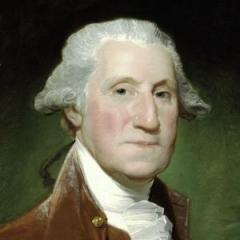
George Washington
George Washington was the first President of the United States and a key figure in the American Revolutionary War. Born on February 22, 1732, and died on December 14, 1799, Washington is known for his strong leadership and belief in democracy, playing a crucial role in American history. more
You May Also Like
Source: The Federalist: With Letters of Brutus
Source: The Federalist Papers: A Collection of Essays Written in Favour of the New Constitution
Source: The Essential Federalist: A New Reading of the Federalist Papers
Source: The Federalist on the New Constitution
Source: The Federalist, on the New Constitution, Written in the Year 1788
Source: America's Founding Documents: The Declaration of Independence, the Articles of Confederation, the United States Constitution, the Federalist Papers, and the Bill of Rights
Source: The Federalist Papers: A Collection of Essays Written in Favour of the New Constitution
Source: The Fœderalist: A Collection of Essays, Written in Favor of the New Constitution, as Agreed Upon by the Fœderal Convention, September 17, 1787. Reprinted from the Original Text. With an Historical Introduction and Notes