“In order that all men may be taught to speak truth, it is necessary that all likewise should learn to hear it; for no species of falsehood is more frequent than flattery, to which the coward is betrayed by fear, the dependent by interest, and the friend by tenderness: those who are neither servile nor timorous are yet desirous to bestow pleasure; and, while unjust demands of praise continue to be made, there will always be some whom hope, fear, or kindness will dispose to pay them.”
Quote by Samuel Johnson
Work
The Beauties of Samuel Johnson, Etc. (A New Edition, Being the Ninth.).
This volume presents passages drawn from Samuel Johnson's extensive literary output, which includes his monumental A Dictionary of the English Language, various critical essays, biographical works, and poetic compositions. The compilation reflects a common publishing practice of the period, in which editors would gather and present memorable selections from an author's body of work to make them more accessible to general readers. Johnson was one of the most influential literary figures of the eighteenth century, and his writings on language, criticism, and biography helped shape English literary tradition. The reference to the ninth edition in the title suggests this collection achieved considerable circulation and readership over time, indicating sustained public interest in Johnson's literary and critical contributions. The work would appeal to readers seeking an introduction to Johnson's thought and style through carefully chosen excerpts from his diverse writings. more
Author
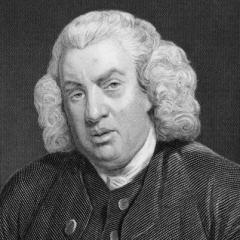
Samuel Johnson
Samuel Johnson was an English writer, poet, and lexicographer, renowned for his comprehensive English dictionary, 'A Dictionary of the English Language', published in 1755. His distinctive writing style and wit have cemented his place as a significant figure in the history of English literature. more
You May Also Like
Source: The Wisdom of the Rambler, Adventurer, and Idler
Source: The Rambler
Source: The Works of Samuel Johnson, LL.D.: With An Essay on His Life and Genius
Source: The Rambler: In Four Volumes
Source: The Rambler: A Periodical Paper, Published in 1750, 1751, 1752
Source: Poetical works
“By flatterers besieged And so obliging that he ne'er obliged.”
Source: The Poetical Works of Alexander Pope: With a Sketch of the Author's Life