“There was no place in the land where the seeker could not find some small budding sign of pity for the slave. No place in all the land but one - the pulpit. It yielded last; it always does. It fought a strong and stubborn fight, and then did what it always does, joined the procession - at the tail end. Slavery fell. The slavery texts in the Bible remained; the practice changed; that was all.”
Quote by Mark Twain
Work
What Is Man? and Other Philosophical Writings
This book compiles various philosophical essays that delve into the essence of human existence, examining concepts such as the nature of man, ethics, and the human condition. more
Author
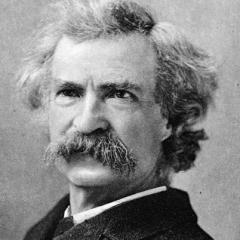
Mark Twain
Mark Twain, born Samuel Langhorne Clemens, was a renowned American author and humorist in the 19th century. His works are characterized by humor, satire, and profound social insight, with notable novels such as 'The Adventures of Tom Sawyer' and 'The Adventures of Huckleberry Finn'. more
You May Also Like
Source: George Washington on religious liberty and mutual understanding: selections from Washington's letters
Source: Dreams of a Final Theory
Source: Delphi Collected Works of H. G. Wells (Illustrated)
“Few people realise the immensity of vacancy in which the dust of the material universe swims.”
Source: The War of the Worlds