“Poor, unhappy Erik! Shall we pity him? Shall we curse him? He asked only to be 'some one,' like everybody else. But he was too ugly! And he had to hide his genius or use it to play tricks with, when, with an ordinary face, he would have been one of the most distinguished of mankind! He had a heart that could have held the entire empire of the world; and, in the end, he had to content himself with a cellar. Ah, yes, we must need pity the Opera ghost.”
Quote by Gaston Leroux
Work
THE PHANTOM OF THE OPERA (Mystery & Horror Series): Gothic Classic Based on True Events at the Paris Opera
This gothic novel delves into the eerie tale of a disfigured musical genius who lives beneath the Paris Opera House, captivating audiences with his haunting voice and terrifying presence. The story is based on true events and explores themes of obsession, love, and redemption. more
Author
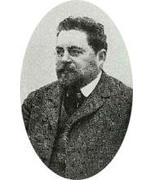
Gaston Leroux
Gaston Leroux (1868–1927) was a French journalist, novelist, and playwright, best known for writing the gothic thriller "The Phantom of the Opera" published in 1910. Beginning his career as a court reporter and theater critic, he later devoted himself to fiction, producing over 40 novels. "The Phantom of the Opera" became his most enduring work, captivating readers with its mysterious atmosphere and romantic tension. In addition to this masterpiece, he authored "The Mystery of the Yellow Room," considered one of the first locked-room mysteries. Leroux's storytelling skill and vivid imagination significantly influenced the development of detective and horror fiction. His works have been adapted countless times for stage, film, and television, making him one of the most widely read French authors of the early 20th century. He died in Nice on April 15, 1927. more
You May Also Like
Source: Eat Pray Love: One Woman's Search for Everything
Source: Selected poems
Source: Angels
Source: Angels
Source: Bluebeard: A Novel
Source: Angels
Source: The Works of Francis Bacon: Baron of Verulam, Viscount St. Albans, and Lord High Chancellor of England