“How could people like these, without words to put to their emotions and passions, manage? They could, at best, only suffer dumbly. Their pains and humiliations would work themselves out in their characters alone: like evil spirits possessing a body, so that the body itself might appear innocent of what it did.”
Quote by V. S. Naipaul
Work
The Enigma of Arrival: A Novel in Five Sections
This novel is a complex exploration of identity and the experience of cultural displacement, narrated across five distinct sections. The story delves into the protagonist's journey as they navigate a new and unfamiliar world, grappling with questions of self and belonging. more
Author
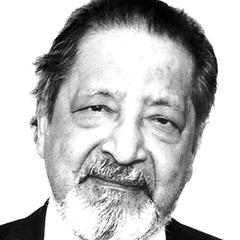
V. S. Naipaul
V. S. Naipaul, born on August 17, 1932, is a British writer known for his sharp observations and profound insights. His works primarily focus on themes such as colonialism, race, class, and identity, deeply revealing the complexities and contradictions of human society. Naipaul has won the Nobel Prize in Literature and is considered one of the most outstanding writers of the 20th century. more
You May Also Like
“Some lesser husbands built a latrine on the hillside.”
Source: A House For Mr Biswas: Picador Classic
“How will you go about finding that thing the nature of which is totally unknown to you?”
Source: A Field Guide to Getting Lost
Source: A Field Guide to Getting Lost
Source: A Field Guide to Getting Lost