“Both men and women are conceived as merely capable of response to a situation that their society has already defined for them as sexual, and so the Arapesh feel that it is necessary to chaperon betrothed couples who are too young... with their definition of sex as a response to an external situation rather than as spontaneous desire, both men and women are regarded as helpless in the face of seduction. Parents warn their sons even more than they warn their daughters against permitting themselves to get into situations in which someone can make love to them.”
Quote by Margaret Mead
Author
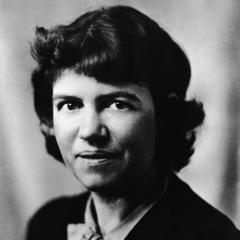
Margaret Mead
Margaret Mead was an American cultural anthropologist known for her groundbreaking fieldwork and theoretical contributions. She is renowned for her studies of the Samoan, Arapesh, and Australian Aboriginal peoples, which had a profound impact on the fields of anthropology and sociology. more
You May Also Like
Source: Balinese Character: A Photographic Analysis
“I started writing short fiction very briefly, as I imagine is the case for some novelists.”
“The ability to learn is older as it is also more widespread than is the ability to teach.”
Source: Continuities in Cultural Evolution
Source: Continuities in Cultural Evolution