“The lover's fatal identity is precisely this: I am the one who waits.”
Quote by Roland Barthes
Author
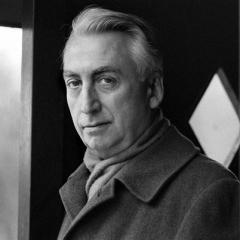
Roland Barthes
Roland Barthes (November 12, 1915 – March 25, 1980) was a French philosopher, literary critic, semiotician, and sociologist. He was a leading figure in structuralism and post-structuralism, known for his profound insights into semiotics, cultural criticism, and literary theory. His works, such as Mythologies, S/Z, and The Death of the Author, challenged traditional notions of authorship and meaning, emphasizing the multiplicity of texts and the active role of readers. Barthes' interdisciplinary approach influenced cultural studies, media analysis, and postmodern thought, making him one of the most influential intellectuals of the 20th century. more
You May Also Like
Source: Train Dreams
Source: Deathless
Source: Train Dreams
“I’ve a devil of a habit for being right.”
Source: Deathless
“I prefer the word aviatrix. It has more zing to it." "It's very zingy," I agreed.”
Source: Skybreaker
“You've no fear of heights," puffed the girl. "None," I said. "I've heard that about you.”
Source: Skybreaker
Source: Skybreaker
Source: Skybreaker